- 0 views
- By Caroline McNally
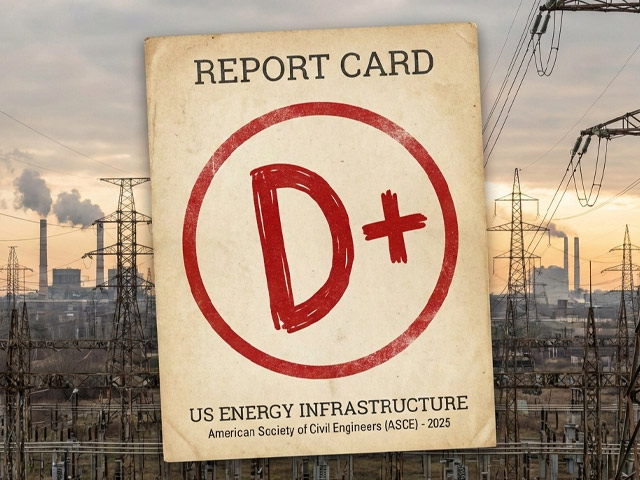
The U.S. energy grid is under pressure like never before. Aging equipment, surging demand, and climate‑driven threats have pushed the nation’s energy infrastructure to a D+ grade in the latest report card—down from a C‑ just a few years ago. With electric vehicles, data centers, and clean energy projects rapidly expanding, the stakes are higher than ever. Can America turn things around before the next grade is released next month?
Why the Grid Is Struggling
Much of the U.S. electricity network was built decades ago and is now operating far beyond its intended lifespan. Transformers, lines, and substations are aging, making them more prone to failures. Transmission bottlenecks prevent new renewable energy sources from efficiently reaching homes and businesses, compounding reliability challenges.
Demand Is Surging
The energy grid faces a perfect storm: rising electricity demand from EV adoption, industrial electrification, and massive data centers. Forecasts suggest that energy consumption in these sectors could double over the next decade, straining a grid that was never designed for today’s needs.
Progress Is Happening, But It’s Uneven
Recent investments, including billions from federal infrastructure programs, are helping to modernize the grid. Utilities are upgrading transmission lines, hardening networks against extreme weather, and deploying smart technologies. However, progress is uneven, and many regions still face significant vulnerability.
Smart Planning: The Key to Improvement
Experts emphasize asset‑based investment planning to make the most of limited resources. Prioritizing the most vulnerable infrastructure, aligning upgrades with future demand, and integrating climate resilience can help prevent costly failures and improve the grid’s reliability over time.
The Economic Impact of Infrastructure Failures
Reliable energy isn’t just about keeping the lights on—it drives economic competitiveness. Aging infrastructure can increase energy costs, disrupt supply chains, and hinder clean energy adoption. Proactive investment is essential to avoid long-term economic consequences.
Can the U.S. Improve Its Grade?
With the next report card looming, there is cautious optimism. Investments in domestic manufacturing of transformers, strategic grid upgrades, and interregional transmission projects are beginning to address systemic weaknesses. Sustained funding, coordinated policy, and long-term planning will determine whether the next grade reflects real progress—or more of the same challenges.


Related articles and news
 Innovation
 The Fiber Frontier: What 2026 Could Reveal About the Next Leap in Internet Technology
The world of fiber-optic connectivity is gearing up for a defining year in 2026. What was once viewed primarily as a faster alternative to copper broa …
Read more Infrastructure
 Amazon’s Satellite Rebrand Signals Shift Toward Infrastructure Utility
Amazon’s satellite internet initiative has officially rebranded from “Project Kuiper” to Amazon Leo, a shift that reflects a new strategic direction. …
Read more